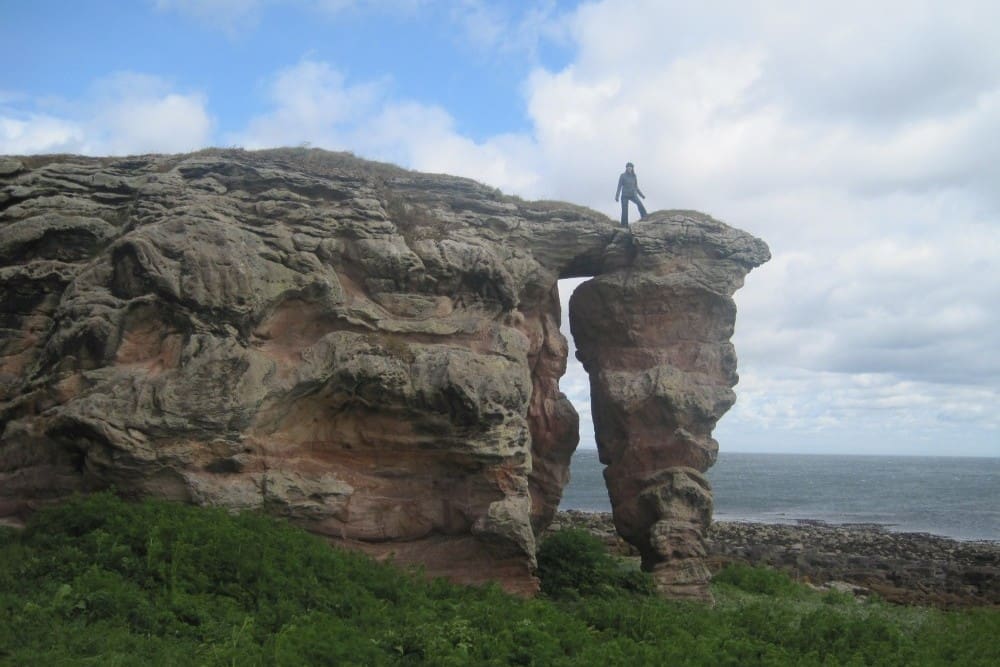
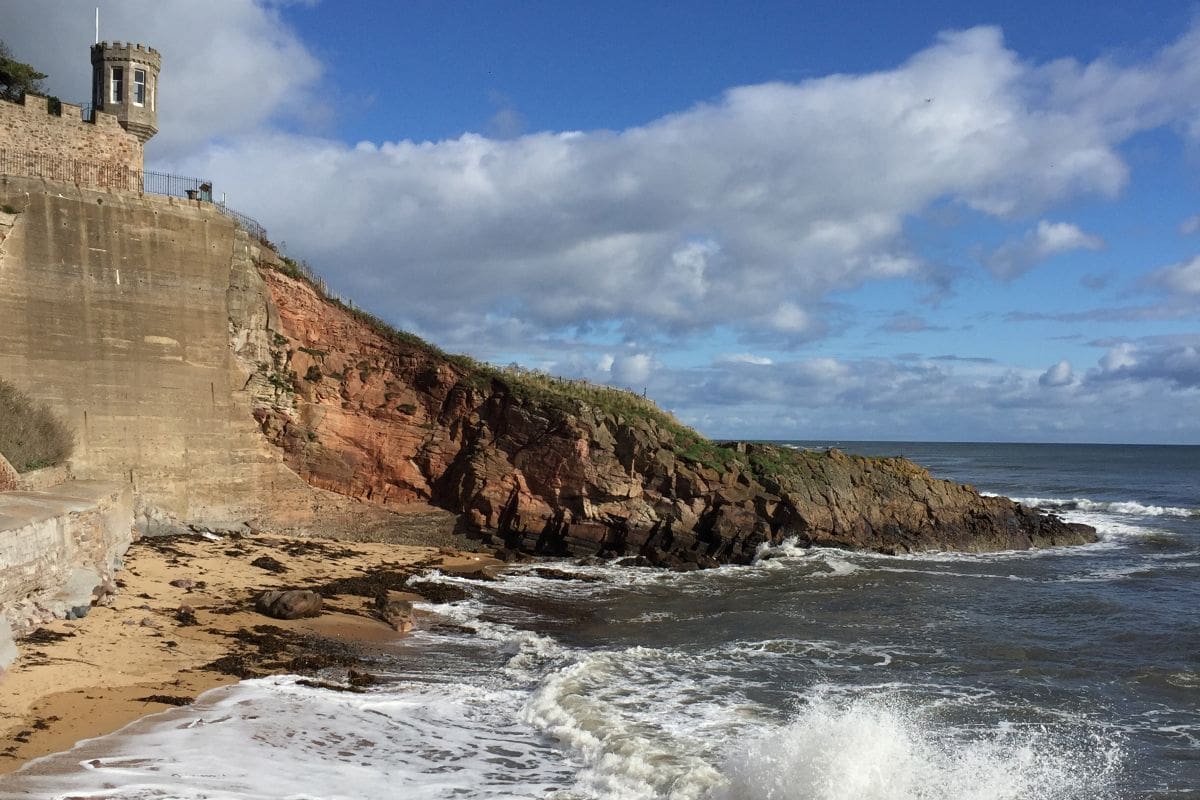
Crail is a quaint, unspoilt traditional Fife coastal small town. Regular winner of Best kept small town in Fife. The traditional high street has good selection of essential shops, including co-op, greengrocer, health food store, baker, chemist, ‘probably’ the best butchers in Fife, gallery, coffee shops, traditional pub with restaurant, and great fish and chip shop.
A short history
The Royal Burgh of Crail (originally Caraile, Karail or Karale) is the most easterly of the burghs in the East Neuk of Fife, and also the oldest. It has existed in record since the 12th Century, its status as a Royal Burgh created through successive charters from the Scottish kings, starting with David I in 1150.
Crail Castle (the site now occupied by Crail House), was likely used as a royal residence by David I. In 1526, on one of his four visits to Crail, King James V referred to it as a dwelling place of his ancestors. Just over a century later, King Charles II visited in 1651 during the Civil War.
During the 16th and 17th centuries, Crail was a prosperous seaport and fishing station, particularly as a centre for the herring fishing. In 1710 the town is recorded as owning 6 ships and 80 fishing boats.
Many of Crail’s most prominent residents were merchants, trading across the North Sea with the Low Countries. Trade in Crail was prosperous, evidenced by the number of kirkyard monuments commemorating the wealthy merchant class.
By the late 18th century the population of Crail was falling, continuing into the 19th century.
In the mid to late 20th century, summer holiday makers descended on Crail, with burgeoning caravan sites at Sauchope, Balcomie Links hotel, and Ashburn. There were also a number of hotels and guest houses, The Golf Hotel, Balcomie Links Hotel, Marine Hotel, Croma Hotel. This summer trade helped to support a number of shops, grocers Jacksons and Jarvis, Carr’s greengrocers, drapers, Penman’s butchers, Nash’s toy shop. Post Office, pharmacy, the Beehive café, Ice cream and fish & chip shop, etc. Roomebay beach was a hive of summer activity (it did use to be sandy!), with bathing huts a plenty.
By the early 21st century, the European package holiday craze had decimated the summer trade with the demise of most of the hotels and many of the old shops. Due to the quality of its products and wider geographical base, serving many Fife hotels, Penman’s has survived, a testament to the proprietor’s entrepreneurship. However, the increase in all year short breaks and growth in self-catering properties has increased local retail demand. The return of a greengrocer (Greens), an enlarged pharmacy (swopping premises with the health food store), Shoregate restaurant, The Nook café are the result. Long may this continue.
Some of the above text courtesy of Crail Museum Trust and Crail Preservation Society